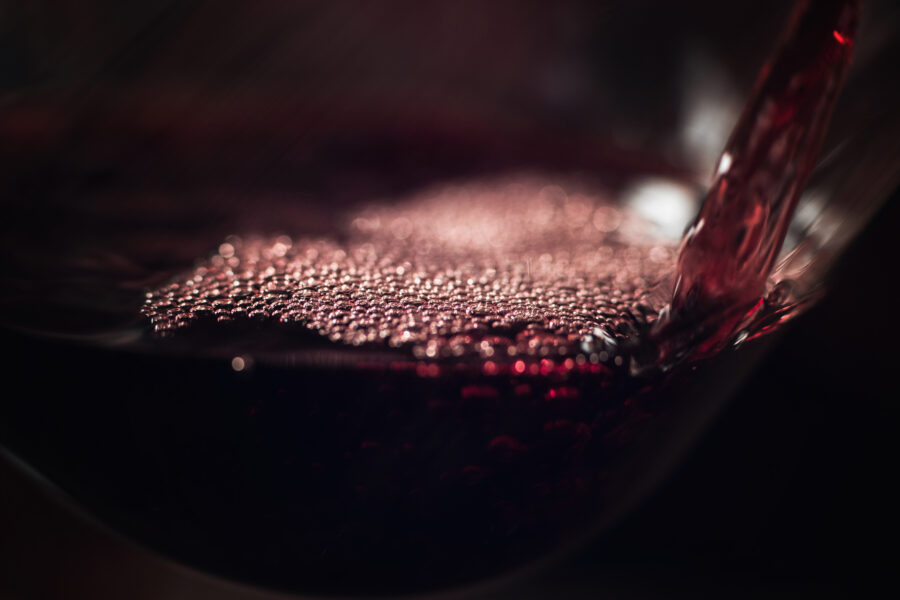
The New Year brings fresh opportunities to explore new flavors, refine your palate, and discover the rich world of wine. Winter is the perfect season for beginners to start their wine-tasting journey, especially when it comes to fuller-bodied red wines that complement the colder months. Whether you are visiting our historic Los Angeles tasting room or enjoying a bottle at home, these seasonal tasting tips will help you develop your wine appreciation skills while savoring the warming characteristics of winter wines.
At San Antonio Winery, we have been crafting premium California wines for over one hundred years, and our family knows that winter offers unique opportunities to explore bolder, more complex flavors. The cooler temperatures naturally draw us toward wines with deeper color, richer texture, and more pronounced tannins. These characteristics make winter the ideal time to begin understanding how wine structure, body, and flavor profiles work together to create memorable tasting experiences.
Understanding Winter Wine Characteristics
Winter wines typically feature characteristics that provide comfort and warmth during the colder months. Red wines such as Cabernet Sauvignon, Merlot, and Zinfandel tend to develop greater complexity when enjoyed in winter settings. These varietals offer bold fruit flavors, earthy undertones, and subtle spice notes that pair beautifully with hearty winter meals. When you visit our tasting room, our staff can guide you through the distinct characteristics of our premium California wine brands, including San Simeon, Opaque, and Maddalena wines.
The body of a wine refers to how it feels in your mouth, and winter reds tend to be fuller-bodied with more weight and texture. As a beginner, you can identify the body by paying attention to the viscosity of the wine. Swirl your glass gently and watch how the wine clings to the sides. Thicker legs indicate a fuller-bodied wine with higher alcohol content and more glycerin. These characteristics are especially prominent in our estate wines from Paso Robles and Napa Valley, where the terroir produces grapes with concentrated flavors and natural richness.
Tannins are another essential element to understand when tasting winter red wines. These compounds come from grape skins, seeds, and stems, and they create a drying sensation in your mouth. While tannins may seem challenging for beginners, they provide structure and aging potential to fine wines. During winter, the slightly astringent quality of tannins pairs exceptionally well with protein-rich foods like roasted meats and aged cheeses. Our winemaker, Anthony Riboli, carefully manages tannin extraction to ensure balance and drinkability in every bottle.
Developing Your Tasting Technique
Proper tasting technique enhances your ability to identify subtle flavors and aromas in wine. Start by examining the wine visually. Hold your glass against a white background and observe the color. Red wines can range from bright ruby to deep purple to garnet, and the color often indicates age and grape variety. Younger red wines typically display more vibrant purple hues, while older wines develop brick or amber tones around the edges.
Next, swirl the wine gently in your glass to release aromatic compounds. Bring the glass to your nose and take a deep inhale. Try to identify specific aromas such as dark fruit, baking spices, vanilla, or earthy notes like leather and tobacco. Our Opaque wines are known for their intense aromatics, featuring layers of blackberry, dark chocolate, and espresso that become more pronounced with aeration.
When you taste the wine, take a small sip and let it coat your entire palate. Pay attention to the initial flavors, mid-palate development, and finish. Quality wines reveal different characteristics at each stage of tasting. The finish refers to how long the flavors linger after you swallow. Longer finishes typically indicate higher quality and more complex wines. As you develop your palate, you will begin to recognize these layers and appreciate the craftsmanship that goes into each bottle.
Temperature plays a crucial role in wine tasting, especially during winter. Many beginners serve red wine too warm, which can make the alcohol taste harsh and the flavors muddled. Aim to serve full-bodied red wines between sixty and sixty-five degrees Fahrenheit. If your wine has been stored at room temperature, consider placing it in the refrigerator for fifteen minutes before serving. This slight chill will help the wine express its true character and make the tasting experience more enjoyable.
Pairing Winter Wines With Seasonal Foods
Food pairing enhances both the wine and the meal, creating harmonious flavor combinations that elevate your dining experience. Winter provides abundant opportunities to pair bold red wines with hearty, comforting dishes. When visiting Maddalena Restaurant at our Los Angeles location, you can explore how our traditional Italian cuisine complements our estate wines.
Rich, full-bodied red wines pair beautifully with braised meats, stews, and roasted vegetables. The tannins in red wine cut through fatty proteins, cleansing your palate between bites. Consider pairing a robust Cabernet Sauvignon with a grilled ribeye steak or braised short ribs. The wine’s structure matches the richness of the meat, while the dark fruit flavors complement savory seasonings.
Cheese pairing offers another excellent way for beginners to explore wine flavors. Aged cheeses like Manchego, aged Gouda, and Parmigiano-Reggiano pair exceptionally well with full-bodied red wines. The saltiness and umami of aged cheese enhance the wine’s fruit flavors, while the wine’s acidity balances the cheese’s richness. Create a simple cheese board with dried fruits, nuts, and crusty bread to accompany your winter wine tasting at home.
Chocolate desserts provide a delightful pairing option for certain red wines, particularly those with ripe fruit characteristics and softer tannins. Our California specialty wines include options specifically crafted to complement dessert courses. The key is matching intensity levels so neither the wine nor the dessert overwhelms the other. Dark chocolate with 70% cacao or higher works beautifully with bold, fruit-forward red wines.
Frequently Asked Questions
What is the best red wine for beginners to try in winter?
Merlot and Zinfandel are excellent starting points for beginners exploring winter red wines. These varietals offer approachable fruit flavors without overwhelming tannins. Our Maddalena wines provide balanced profiles that showcase California terroir while remaining accessible to developing palates.
How should I store wine at home during the winter months?
Store wine in a cool, dark place with a consistent temperature between fifty-five and sixty degrees Fahrenheit. Avoid placing bottles near heating vents or in areas with temperature fluctuations. Proper storage preserves wine quality and allows it to develop complexity over time.
Can I visit San Antonio Winery for guided tastings?
Yes, we offer daily wine tastings and winery tours at our Los Angeles location. Our knowledgeable staff guides guests through our portfolio, sharing insights about winemaking techniques and helping beginners develop their tasting skills. You can also join our Artisan Premier Wine Club for exclusive member benefits.
What temperature should I serve red wine in winter?
Serve full-bodied red wines between sixty and sixty-five degrees Fahrenheit. This temperature range allows the wine to express its full aromatic profile while maintaining proper structure and balance.
How can I improve my wine tasting abilities?
Practice regularly, take notes on the wines you taste, and pay attention to specific characteristics such as aroma, flavor, body, and finish. Attending guided tastings at wineries provides valuable education and helps you develop a more refined palate over time.