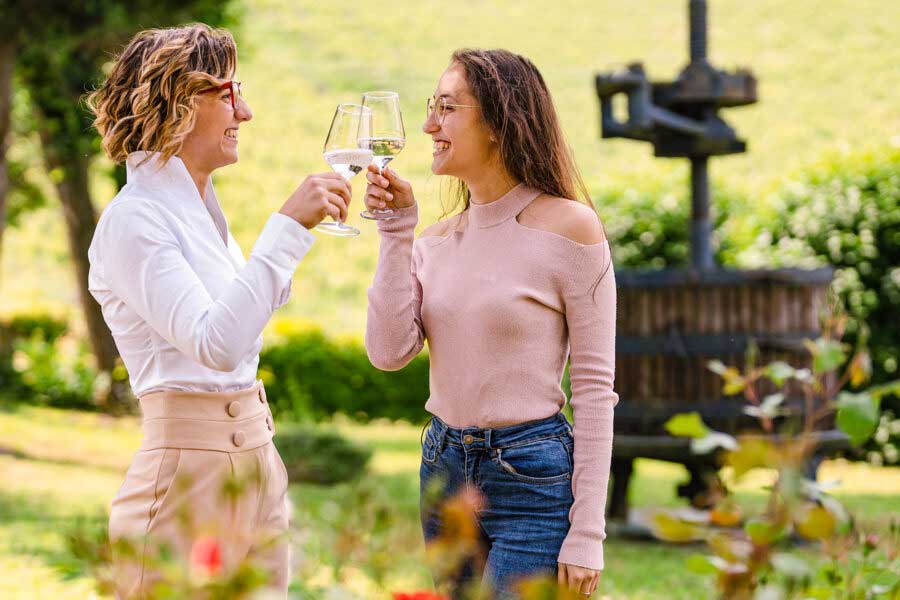
Tasting wine like a sommelier isn’t about being intimidating, pretentious, or overly technical. It’s simply about slowing down and experiencing wine with intention. Whether you’re new to wine or want to deepen your understanding, learning the basics of how sommeliers taste wine can elevate every sip and make each glass more enjoyable.
San Antonio Winery has been guiding guests through memorable tasting experiences for generations, and their Wine Tasting Beginner’s Guide is a great starting point for anyone looking to build confidence. This beginner’s guide breaks down the fundamentals so you can recognize key aromas, flavors, and textures just like the pros.
Start with the Visuals: Observing the Wine
Before even taking a sip, sommeliers begin by looking at the wine. The appearance can tell you a surprising amount about what you’re about to taste.
Hold your glass at an angle and note the clarity, color, and intensity. Light reflections, depth of color, and subtle shifts around the rim help signal characteristics such as body and age. While this stage doesn’t reveal everything, it primes your senses and prepares your palate for what comes next.
If you’re visiting one of San Antonio Winery’s tasting rooms, especially the historic Los Angeles location, taking time to observe the wine adds to the overall experience. Explore current offerings and experiences on the Wine Tastings page before your visit.
Smelling the Wine: Identifying Aromas Like a Pro
A large part of wine tasting happens before the wine touches your mouth. Swirl your glass gently to help release aromas, then bring it closer and take small, intentional sniffs.
Beginners are often surprised at how many notes they can pick up with just a little guidance. The Wine Flavors and Aromas Explained resource from San Antonio Winery is incredibly helpful for learning the difference between fruit, floral, spice, and other categories that sommeliers commonly reference.
The key is not to overthink it. Instead of searching for something complicated, focus on what the wine reminds you of: berries, citrus, herbs, warm spices, or something subtle and smooth. Your nose is one of the most powerful tools in wine tasting, and with practice, it becomes easier to recognize layers.
Tasting with Intention: Flavor, Texture & Balance
Now it’s time for the best part of tasting. Take a small sip, allow it to coat your tongue, and pay attention to three main areas:
Flavor: What are the dominant tastes? Fruit, floral, spice, earthy, or sweet notes?
Texture: Is it light, silky, smooth, crisp, rich, or bold?
Balance: Do sweetness, acidity, and body feel harmonious?
Beginners often rush through this step, but sommeliers slow down and let the wine unfold. Each sip reveals something new.
If you’d like extra guidance before your next tasting, San Antonio Winery provides helpful insights in the Wine Tasting Beginners Guide, as well as opportunities to practice these steps during public tastings and events.
Enhancing the Experience: Pairings, Setting & Exploration
Wine tasting is not just about technique; it’s about creating a memorable moment. Pair your tasting with foods that complement the wine, choose a comfortable environment, and explore styles you might not usually reach for.
Visiting one of the winery’s Southern California locations is an excellent way to deepen your appreciation. The Locations page provides details about Los Angeles, Ontario, and Paso Robles tasting room options, each offering unique tasting flights and guided experiences.
If you’re curious to expand your tasting skills over time, joining a membership like the Artisan Premier Wine Club can help introduce you to new wines regularly, all curated by the Riboli Family winemaking team.
FAQ
Do I need special knowledge to taste wine like a sommelier?
No. Anyone can learn the basics with a bit of practice. Sommeliers simply take more time to observe, smell, and taste with intention.
How long should I swirl the wine?
A few gentle wrist rotations are enough. The goal is to release aroma compounds, not create vigorous movement.
Is it necessary to describe wine using technical terms?
Not at all. Start with simple descriptors like “fruity,” “bright,” “smooth,” or “rich”, whatever feels natural.
Should beginners attend guided tastings?
Yes. Guided tastings, like those listed on the Wine Tastings page, offer structure and helpful explanations that build your confidence and palate.